
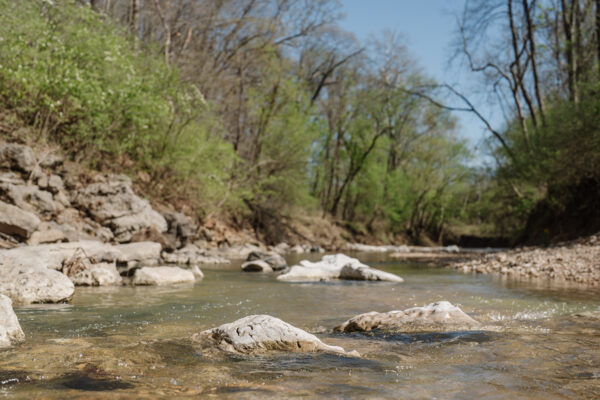
Class of 2024: Committed to climate solutions
Meet 12 members of the Washington University in St. Louis 2024 graduating class ready to address the globe’s climate, environmental and sustainability challenges.
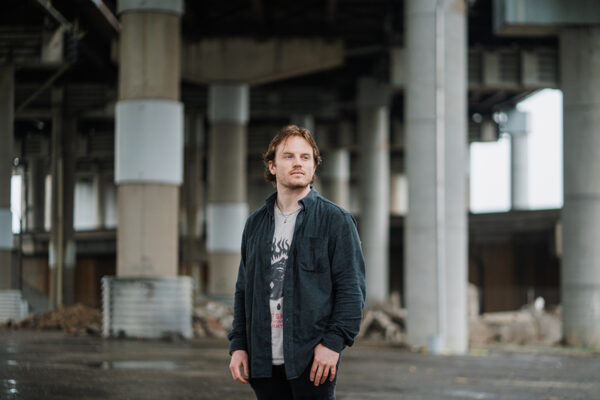
Class Acts: Kevin Corrigan
Kevin Corrigan, a graduate degree candidate in landscape architecture from the Sam Fox School, says good landscape design can make cities more resilient and beautiful.
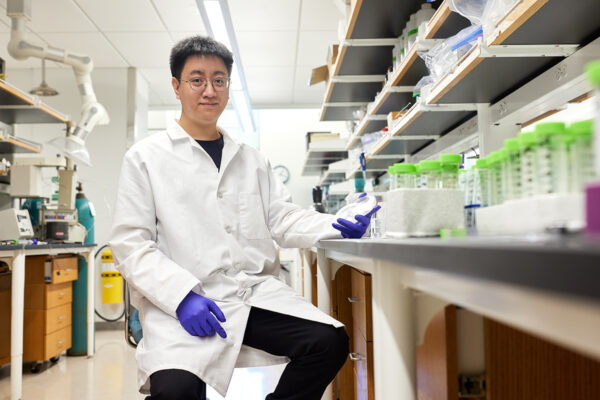
Class Acts: Ping-I (Dennis) Chou
Ping-I (Dennis) Chou soon will graduate from Washington University in St. Louis and begin work at Intel. He has studied water chemistry and plastics in the environment.
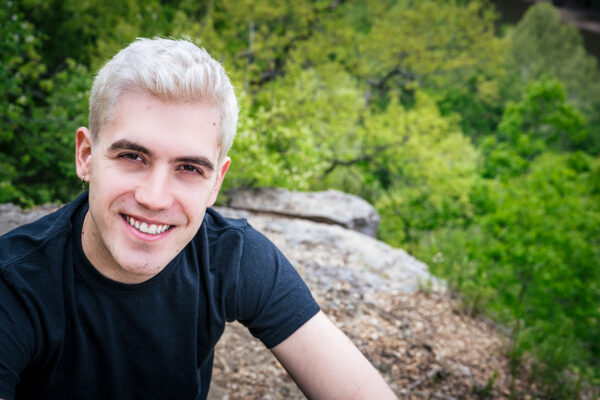
Class Acts: Guinter Dame Vogg
As an undergraduate researcher at Washington University in St. Louis’ Atmospheric Composition Analysis Group, Guinter Dame Vogg analyzed air filters from around the globe for PM2.5, the microscopic particles that cause millions of premature deaths every year. What he saw changed his life.
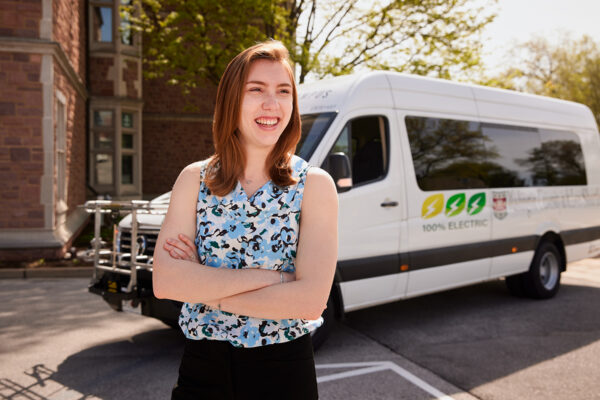
Class Acts: Lauren Bruhl
Entering WashU, Lauren Bruhl knew she wanted to study the environment. Her childhood in rural New Jersey, where she explored its protected woodlands, helped cultivate her love for the environment, while her high school studies in Portugal, where she studied renewable energy, catalyzed her academic interest in reducing our carbon footprint. Now, the soon-to-be graduate of Arts & Sciences is ready to put her passion and skills into practice.
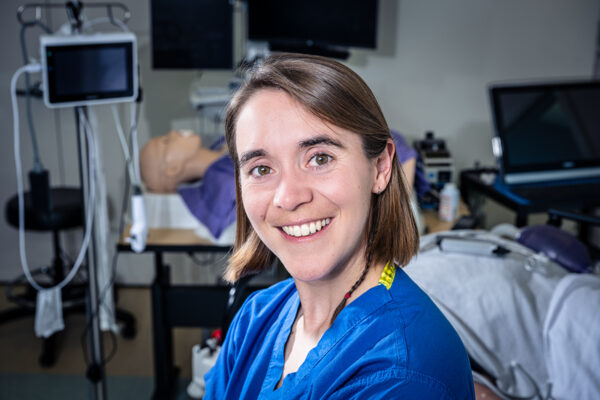
Class Acts: Caellagh Catley
Caellagh Catley worked with the Department of Anesthesiology at Washington University School of Medicine to reduce carbon emissions produced by operating rooms. The project has helped Barnes-Jewish Hospital save on resources in anesthetic gas use and has reduced its carbon emissions from such gas use by more than 60%.
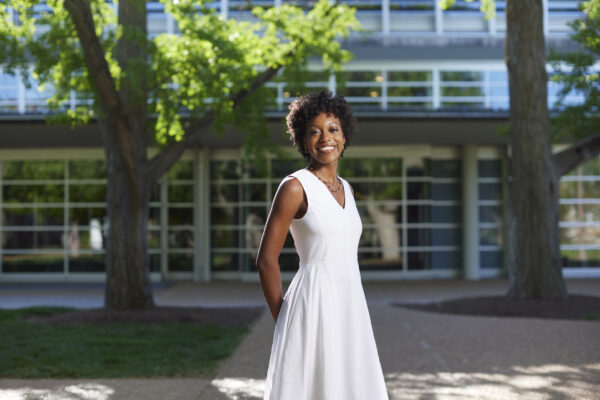
Class Acts: Jewel Evans
Brown School student Jewel Evans has a passion for equity-based urban planning. Her goal is to create equitable land use policies that can positively impact disenfranchised populations.
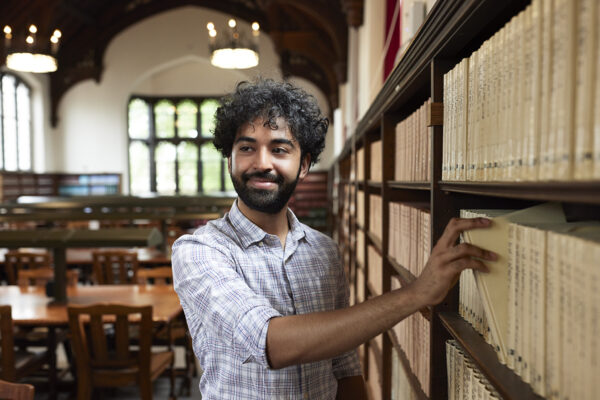
Class Acts: Omaer Naeem
On a recent visit to Pakistan, Omaer Naeem could literally taste the smog. Naeem, who is set to graduate with a degree in global students from Arts & Studies at Washington University in St. Louis, is committed to working with local communities in South Asia find their own solutions to this existential crisis.
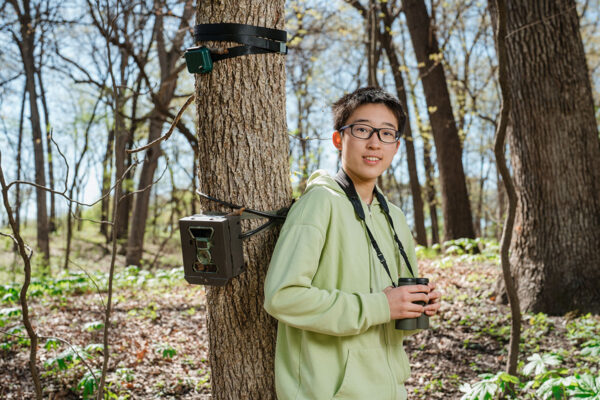
Class Acts: Yunfeng Ge
Yunfeng Ge is an avid bird and nature lover. Her extensive research and volunteer work has prepared her for life after graduation. She plans to pursue conservation work and eventually attend graduate school to study ecology.

Class Acts: Avital Isakov
A 2023 Astronaut Scholar, Avital Isakov studies green energy solutions in Robert Wexler’s laboratory in the Department of Chemistry in Arts & Sciences and plans to pursue a PhD in computational and theoretical chemistry.
Older Stories